The Polisto Lake



The Polisto Lake
The nature monument is located in the territory of the municipal areas "Polistovskoye" and "Dobryvichskaya volost" (Bezhanitsky district) in 40 km northeast of the village Bezhanitsy, 15 km to the north of the village Tsevlo.
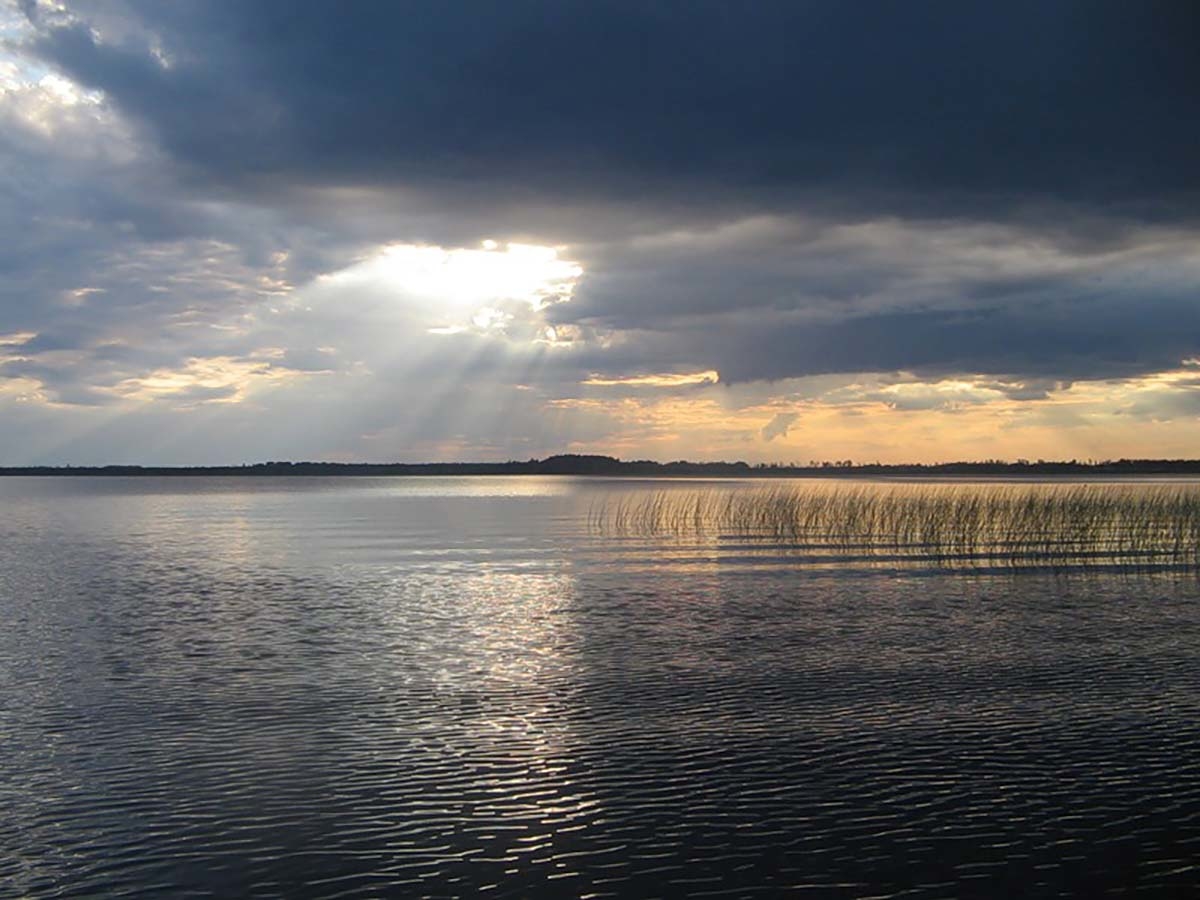
A unique, irreplaceable, valuable in ecological, scientific, cultural and aesthetic relations natural-landscape complex. Lake Polisto is very shallow, with a maximum depth of 4.5 m and an average depth of 3 m. The bottom is sandy-silt, along the shore there area stretches of reeds in width of 500 m and more. Among the numerous water bodies of the Pskov regionthe lake takes the fourth place in size (an area of 3160 hectares). It is the largest water body of Europe's largest Polistovo-Lovatskaya wetland system, which has international environmental importance in accordance with the "Telma" programme (UNESCO). The watershed of the lake is mainly occupied by upland bogs, the river Tsevla flows into the lake as well as about ten other small rivers. Consequently, Lake Polisto is a reservoir of clean, slightly mineralized water. The Polist River flows from the lake and carries its waters to Lake Ilmen – one of the largest water reservoirs of the North-West of Russia, of the basin of the Baltic Sea, which has a wide economic importance. In the lake there are 15 species of fish, including two rare species for the region. Lake Polisto is the only water body in the Pskov region inhabited by the Ziege fish (a "freshwater herring"), and one of the few water bodies of the area where the Blue Bream lives. In the shallow waters of the lake there are spawning grounds for many commercial fish species, including bream, pike perch, roach, pike.
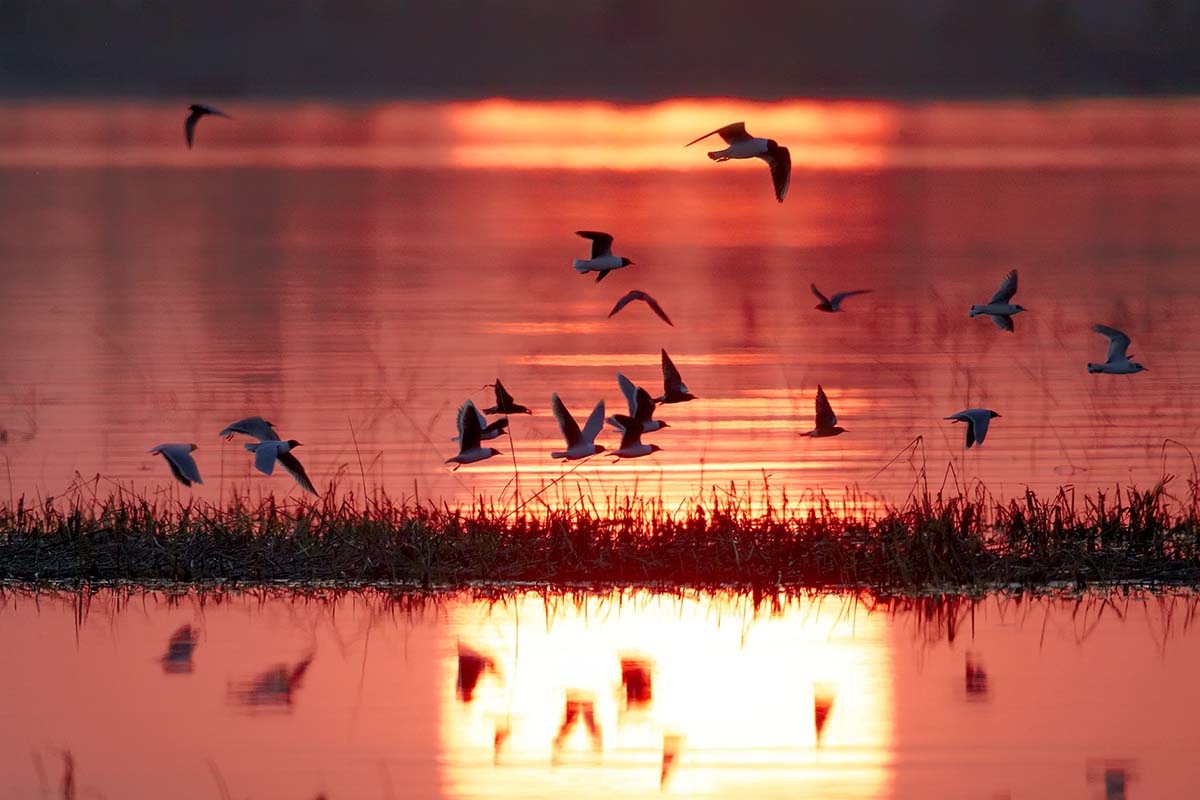
The lake is a valuable nesting place for migratory species of waterbirds and waterfowl. It is home to the White-tailed Eagle, the Osprey and the Common Greenshank – species listed in the Red Book of Russia and the International Union for Conservation of Nature, as well as to about two dozen regionally rare bird species protected in the Baltic States, Belarus and the subjects of the North-West Federal District of Russia.
The area of the natural monument is 8241.8 hectares.
It was declared a specially protected natural area of regional importance in 2009.
Photo gallery The Polisto Lake